Caller Identification Curiosity Hub Who Called Me USa Exploring US Phone Lookup Searches

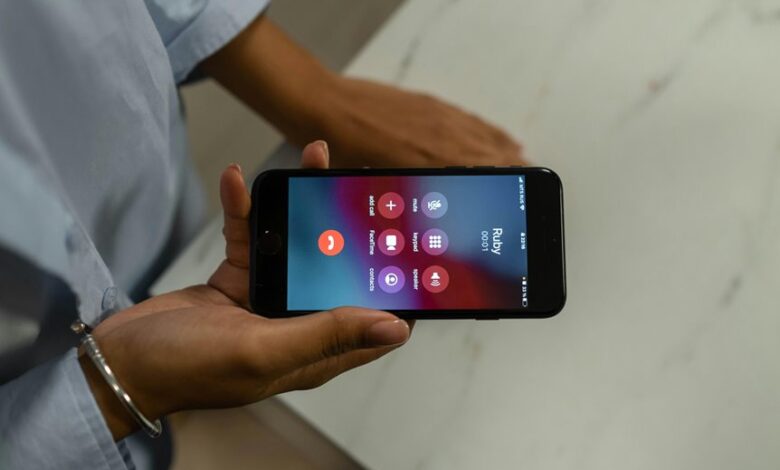
The Caller Identification Curiosity Hub examines US phone lookup searches with a focus on how numbers connect to owners, contexts, and risk signals. It weighs consent, data minimization, and transparency against practical utility. Data sources include carrier systems, device metadata, and user contacts, along with governance and sharing rules. The discussion highlights privacy-preserving checks and responsible workflows. The question remains: how can a balance be struck when accuracy, legality, and autonomy collide, leaving readers compelled to consider the implications further.
What Is US Phone Lookup and Why It Matters
US phone lookup refers to services and databases that associate phone numbers with owner information, call history, and potential risk indicators. The practice aims to reveal context behind calls, enabling informed decisions while respecting privacy.
An analytical view highlights identifying patterns in caller behavior and risk signals, supporting consent aware lookup that emphasizes user authorization, transparency, and minimization of intrusive data collection.
How Caller ID Data Is Collected and Shared
Caller ID data are collected from multiple touchpoints, including carrier systems, device metadata, user-provided contact lists, and call-origin signals, then aggregated for lookup and verification. This paper analyzes data flow: caller data sources, aggregation methods, and privacy controls. It examines sharing practices, access permissions, and caller behavior patterns, emphasizing transparent governance, consent, and minimization to balance utility with autonomy and freedom.
Practical Steps to Identify a Caller Safely
To apply the prior understanding of how caller ID data is collected and shared, practical safeguards for identifying a caller focus on verifiable signals, privacy-preserving checks, and responsible verification workflows.
The approach emphasizes safe tracking, adherence to consent rules, and independent cross-validation of caller information.
This method minimizes errors while maintaining user autonomy and transparent justification for any identification.
Navigating Privacy, Laws, and Responsible Use
Navigating Privacy, Laws, and Responsible Use requires a precise understanding of how data collection, storage, and sharing intersect with user rights and regulatory frameworks.
The analysis assesses tradeoffs between transparency and efficiency, emphasizing privacy safeguards and data minimization.
It evaluates caller consent and legal compliance, urging ethical standards, enforceable accountability, and ongoing monitoring to balance freedom with protections in phone lookup practices.
Conclusion
In summary, US phone lookup services synthesize carrier data, device signals, and user-provided contacts to illuminate unknown callers. The approach hinges on consent, minimization, and transparent sourcing to balance utility with privacy. Risks include misidentification and data exposure, underscoring the need for robust verification and governance. Practical use hinges on responsible workflows and user awareness of limitations. When applied prudently, these tools can help clarify call context without overstepping boundaries—like a careful navigator steering through fog.