
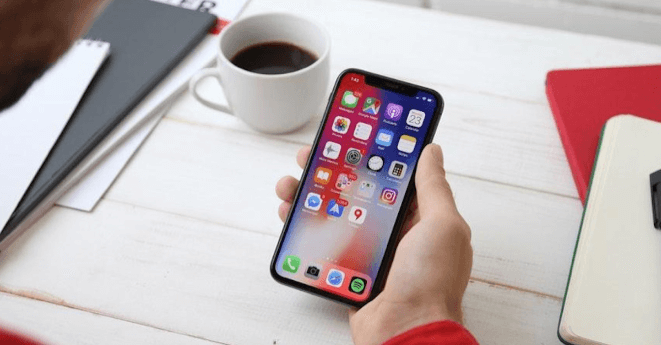
In today’s fast-paced world, having a mobile phone is both a convenience and a necessity. With technological advancements, people tend to upgrade their mobile phones frequently to keep up with the latest trends. However, buying a new phone every year can be expensive, and not everyone can afford it. In such a scenario, renting a mobile phone can be a better alternative. So, here are some benefits of getting a mobile phone on rent instead of purchasing one:
1. Affordability
The primary advantage of renting a mobile phone is affordability. Instead of paying a lump sum amount for purchasing a phone, renting a mobile phone requires a smaller monthly rental fee, which is more manageable for most people. Renting a mobile phone eliminates the need to save up money for purchasing a phone, making it an accessible option for people with limited budgets.
2. Flexibility
Renting a mobile phone provides flexibility as it allows users to change phones frequently without any hassle. With rental plans, users can opt for a new phone every year or every few months, depending on the rental agreement. This flexibility allows users to choose their favourite brand’s latest model without committing to a long-term investment.
3. Latest Technology
Mobile phone companies launch new models with advanced technology every year, making it challenging for people to keep up with the latest trends. Getting a mobile phone on rent allows users to experience the latest technology without having to invest in a new phone every year. Rental companies offer the latest models of smartphones and tablets, giving users the opportunity to explore new features and benefits.
4. No Maintenance Cost
Mobile phone purchases come with additional costs, such as maintenance and repair. In contrast, renting a mobile phone eliminates the need for maintenance costs. Rental companies take care of the maintenance and repair of the phone, and in case of any damage or malfunction, they replace the phone with a new one. This takes away the stress of maintaining the phone and saves money on repair costs.
5. Easy Upgrades
Upgrading a mobile phone every year or so can be challenging, especially if you have invested significant money in purchasing a phone. With rental plans, upgrading a mobile phone is easy and hassle-free. Users can upgrade their phones to the latest model without the need to worry about the financial burden or the hassle of selling their old phones. Rental companies make it easy for users to upgrade their phones by offering trade-in options and upgrade plans.
6. No Long-Term Commitment
Renting a mobile phone provides users with the flexibility to opt out of the rental plan without any long-term commitment. This means users can rent a phone for a short period, such as a few months or a year, and return the phone after the rental agreement ends. This is an excellent option for people who need a phone for a short period, such as students or travellers, without the need to invest in a new phone.
7. No Depreciation
Purchasing a mobile phone is an investment that depreciates over time. The value of a phone reduces significantly within a year of purchase, and selling it becomes difficult. Renting a mobile phone eliminates the issue of depreciation as the rental company takes care of the phone’s value. This means users don’t have to worry about selling their phones for a lower price, making renting a more cost-effective option.
In conclusion, renting a mobile phone can be an excellent option for people who want to keep up with the latest trends without the financial burden of purchasing a new phone every year. Renting a phone is affordable, flexible, and provides the latest technology without any maintenance costs. It also offers easy upgrades and no long-term commitment, making it an accessible option for everyone.


