Nobody notices communication systems when they’re working
But the second they fail? Chaos. Absolute chaos
A construction foreman can’t reach a crane operator. A hiking group gets separated in rough terrain. Event staff scramble because cell service suddenly disappears under the weight of thousands of people trying to upload the same concert video at once. And somewhere nearby, somebody is waving their phone in the air like it’s a magic wand searching for a signal that clearly isn’t coming back.
That’s the funny thing about modern communication. We assume it’ll always work, until it doesn’t.
Which explains why the humble walkie talkie has quietly remained one of the most reliable long-distance communication tools around. No apps. No dropped calls because a tower is overloaded. No waiting for someone to answer after three missed notifications and a “sorry just saw this.”
Just instant communication when it actually matters.
The Appeal Is Simplicity, And Simplicity Ages Well
There’s a reason industries still rely heavily on two-way radio communication despite all the advances in smartphones and cloud-connected devices.
Push button. Talk. Receive response immediately.
That’s it.
No unlocking screens. No searching through contacts. No hoping the person on the other end has decent reception. A walkie talkie works because it removes friction from communication, and in high-pressure environments, friction is usually the enemy.
Construction crews use them because delays waste money. Security teams use them because situations evolve quickly. Outdoor enthusiasts use them because mountains, forests, and remote trails are notoriously unimpressed by cellular coverage maps.
Honestly, reliability is starting to feel underrated these days.
Long-Distance Communication Without Depending on Cell Towers
One of the biggest advantages of modern walkie talkie systems is their ability to maintain communication over long distances without relying entirely on traditional mobile infrastructure.
That matters more than people realize.
Natural disasters, rural environments, large industrial facilities, and crowded public events can all compromise cellular networks. In some situations, networks become overloaded. In others, there simply isn’t coverage to begin with.
Walkie talkie devices bypass many of those limitations entirely.
Modern long-range systems now incorporate nationwide communication capabilities, radio networks, and advanced signal technologies that extend far beyond the short-range radios many people remember from childhood. The result is faster, more dependable communication in places where smartphones become surprisingly unreliable.
Which, admittedly, is a little ironic considering smartphones can technically do a thousand more things.
See also: Spencer Kirk Net Worth: A Look at the Businessman’s Wealth
Instant Communication Changes Decision-Making
Here’s something people underestimate: speed affects judgment.
When communication is delayed, decision-making slows down too. Teams hesitate. Information gets fragmented. Small problems escalate because updates don’t reach the right people quickly enough.
A walkie talkie removes that delay almost entirely.
The ability to instantly broadcast updates to individuals or entire groups makes coordination dramatically easier, especially in fast-moving environments. Emergency responders, warehouse operators, logistics teams, and event coordinators all benefit from immediate communication because seconds genuinely matter in those settings.
There’s also something psychologically reassuring about hearing a response instantly. No wondering whether a message was delivered. No awkward “can you hear me now?” routine. Just clear, direct communication.
It feels refreshingly uncomplicated.
Durability Matters More Than Features
Modern devices tend to compete by adding more features every year. More apps. More settings. More distractions disguised as convenience.
Walkie talkie systems took a different route.
Many are designed specifically for rugged environments where devices get dropped, exposed to weather, or used continuously for long shifts. Durability becomes more important than aesthetics very quickly when equipment operates outdoors, on job sites, or during emergencies.
Because nobody cares how sleek a communication device looks while standing in the rain trying to coordinate a critical situation.
Long battery life also plays a major role. Unlike smartphones constantly draining power through apps, notifications, and background processes, walkie talkie devices are optimized primarily for communication. That focused functionality often translates into more dependable performance over extended periods.
Which is exactly what users need.
The Technology Quietly Evolved
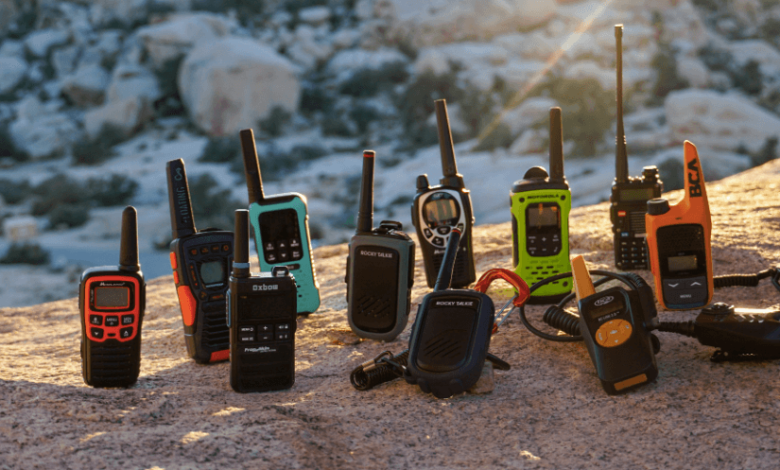
A lot of people still picture walkie talkies as bulky plastic radios with static-filled audio straight out of a 1990s camping trip.
Modern systems are very different.
Today’s walkie talkie technology includes clearer digital audio, GPS functionality, encrypted communication, long-distance connectivity, and integration with broader communication networks. Some systems even support nationwide coverage without relying solely on traditional radio frequencies.
In other words, the technology evolved while most people weren’t paying attention.
And honestly, that tends to happen with tools that quietly work well year after year.
Reliable Communication Never Really Goes Out of Style
Technology trends move fast. Communication needs don’t.
People still need immediate, dependable ways to stay connected across long distances, especially in environments where delays create risk, confusion, or operational problems. That’s why the walkie talkie continues to hold its place across industries, outdoor activities, and emergency response situations alike.
Because when communication becomes critical, reliability suddenly matters a whole lot more than novelty.
Funny how quickly priorities change the moment the signal disappears.