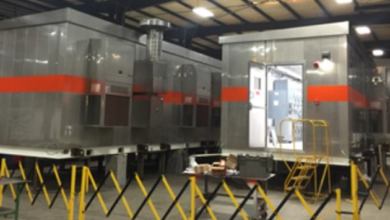
Prefabricated Modular Data Centres: The Ultimate Guide to a Smart, Scalable & Cost-Effective Future


Understanding Prefabricated Modular Data Centres
Prefabricated modular data centres are reshaping how organizations deploy and manage IT infrastructure. In a world where speed, reliability, and scalability are no longer optional, these modern solutions provide a smarter alternative to traditional brick-and-mortar facilities.
Definition and Core Concept
Prefabricated modular data centres are standardized, factory-built units that contain all essential data centre components—servers, storage, networking, power, cooling, and management systems. These modules are manufactured off-site, tested under controlled conditions, and then transported to the deployment location for rapid installation.
Instead of constructing a data centre piece by piece on location, organizations receive ready-to-deploy modules that can be operational in weeks rather than months or years.
See also: Choice Home Warranty George Foreman
How Modular Data Centres Differ from Traditional Facilities
Traditional data centres require extensive planning, on-site construction, and large upfront investments. Modular data centres, on the other hand, follow a build-as-you-grow approach. Capacity can be added incrementally, reducing waste, minimizing risk, and improving financial flexibility.
Key Components of Modular Data Centres
Prefabricated modular data centres are engineered as complete ecosystems, not just server rooms.
IT Modules
These modules house racks, servers, storage devices, and networking equipment. They are pre-configured for optimal airflow, cable management, and rack density.
Power and Cooling Modules
Reliable power and cooling are critical. Modular data centres integrate:
- Uninterruptible Power Supplies (UPS)
- Power Distribution Units (PDUs)
- Precision cooling systems
- Backup generators
These systems are designed for high efficiency and redundancy.
Monitoring and Management Systems
Advanced software enables real-time monitoring of temperature, humidity, power usage, and performance. Centralized dashboards simplify management and reduce operational errors.
Types of Prefabricated Modular Data Centres
Different business needs require different modular designs.
Containerized Data Centres
Built inside standard ISO shipping containers, these are ideal for remote locations, disaster recovery, or edge deployments. They are rugged, portable, and highly efficient.
Skid-Based Modular Systems
Skid-based modules are installed inside existing buildings. They offer flexibility without requiring a full facility overhaul.
All-in-One Integrated Modules
These combine IT, power, cooling, and management into a single unit. They are perfect for fast deployments with limited space.
Benefits of Prefabricated Modular Data Centres
Rapid Deployment
One of the biggest advantages of prefabricated modular data centres is speed. Deployment timelines can be reduced by up to 60%, enabling businesses to respond quickly to market demands.
Scalability and Flexibility
Need more capacity? Simply add another module. This modular growth model ensures your infrastructure evolves alongside your business.
Cost Efficiency
By reducing construction time, labor costs, and over-provisioning, modular data centres significantly lower total cost of ownership (TCO).
Energy Efficiency and Sustainability
Factory optimization leads to better airflow design and power usage effectiveness (PUE). Many modular data centres support renewable energy integration and meet green building standards.
Use Cases Across Industries
Enterprise IT
Large enterprises use modular data centres to support hybrid cloud environments and digital transformation initiatives.
Edge Computing and 5G
Low latency is crucial for edge computing. Modular data centres bring computing power closer to users and devices.
Government and Defense
Secure, rapidly deployable infrastructure makes modular data centres ideal for defense, emergency response, and government operations.
Healthcare and Finance
Industries that demand high availability, compliance, and data security benefit greatly from standardized modular designs.
Design and Deployment Process
Planning and Customization
Vendors work closely with organizations to define capacity, redundancy levels, and compliance requirements.
Factory Manufacturing
Modules are built and tested in controlled environments, ensuring quality and reliability.
On-Site Installation
Once delivered, installation involves minimal site preparation. Systems can be operational in a matter of days.
Security and Compliance Considerations
Prefabricated modular data centres support industry standards such as ISO 27001, SOC 2, HIPAA, and GDPR. Physical security features include access control, surveillance, and reinforced enclosures.
Cybersecurity is enhanced through standardized configurations and centralized monitoring.
Challenges and Limitations
While powerful, modular data centres may face challenges such as:
- Limited customization compared to traditional builds
- Transportation constraints for large modules
- Initial vendor dependency
However, these challenges are often outweighed by the long-term benefits.
Future Trends in Modular Data Centres
The future looks bright. Emerging trends include:
- AI-driven monitoring and predictive maintenance
- Liquid cooling technologies
- Integration with renewable energy sources
- Increased adoption for edge and IoT applications
According to industry insights from Schneider Electric, modular data centres are becoming a cornerstone of next-generation digital infrastructure.
🔗 External reference: https://www.se.com
Frequently Asked Questions (FAQs)
1. What are prefabricated modular data centres used for?
They are used to deploy scalable, efficient, and fast data centre infrastructure across industries.
2. Are modular data centres reliable?
Yes, they are factory-tested and designed with redundancy for high availability.
3. How long does deployment take?
Deployment can take weeks instead of months or years.
4. Can modular data centres support cloud computing?
Absolutely. They are ideal for hybrid and private cloud environments.
5. Are prefabricated modular data centres energy efficient?
Yes, they are designed for optimal airflow and lower power consumption.
6. Are they suitable for small businesses?
Yes, their scalable nature makes them ideal for businesses of all sizes.
Conclusion
Prefabricated modular data centres represent a smarter, faster, and more sustainable approach to modern IT infrastructure. With rapid deployment, scalability, cost savings, and energy efficiency, they are redefining how organizations build and grow their digital backbone.
As data demands continue to rise, modular solutions offer the agility and reliability businesses need to stay competitive in an ever-changing digital landscape.