Tech
September 8, 2026
Why Brand Tracking Matters for Modern Marketing Strategies
Tech
August 10, 2026
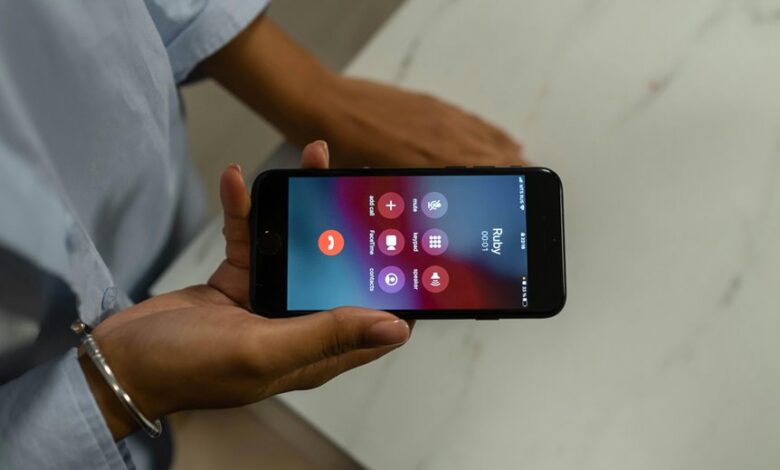
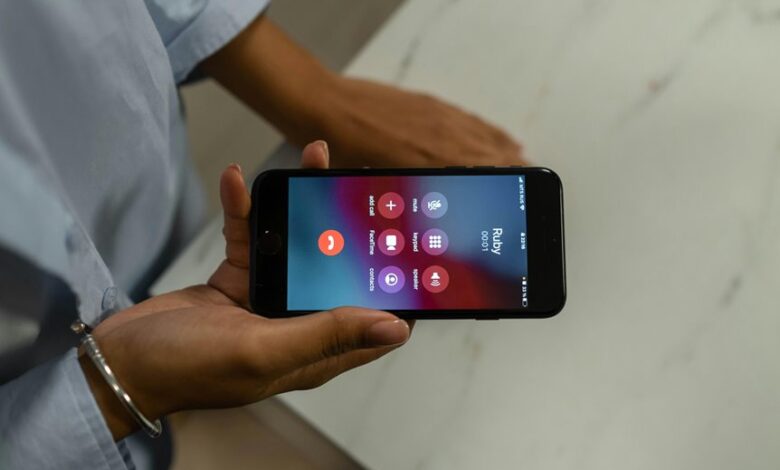
Determining who called from a number without cost can be tempting, but it’s not flawless. Free reverse-lookup tools aggregate public data and user submissions, yet results vary in accuracy. Privacy risks loom if sensitive details are shared. The best approach combines multiple sources and cautious verification. A simple curiosity may lead to unexpected revelations or false positives, so one should proceed with care and consider what information is revealed next. What “Who Called Me” Free…
Reviewing a call log provides timing, duration, and frequency that hint at who might be behind the number. A reverse lookup combines carrier records and public registries to verify the source. Look for red flags such as urgency or requests for personal data. After a suspicious call, pursue safe steps—verify through independent channels, document anomalies, and tighten privacy settings. The clues may be subtle, but a careful approach could reveal more than the caller intended.…
Free phone lookup tools aggregate public records, telecom data, and social footprints to infer who might own a number. They rely on matching algorithms and data minimization practices, but results vary in quality and recency. Analysts note the need to compare multiple sources and verify freshness before drawing conclusions. The topic invites caution about privacy and consent, yet practical steps remain unclear—what the best initial move is may depend on the context and risk. How…
Free reverse-lookup tools offer quick insights into unknown callers without exposing personal data. They balance privacy with useful results, relying on reputable databases and opt-in signals. Accuracy depends on data freshness and source coverage, so cross-checks are prudent. Built-in caller-ID and spam alerts provide immediate context, while free online options expand coverage. The question remains: how reliable are these results for making safe, informed decisions in real time? What Free Reverse-Lookup Is Actually Good For…

The Caller Inquiry Research Portal aggregates call-origin data and explains how number identification searches translate raw signals into actionable insights. It outlines data sources, verification steps, and methodology to assess caller IDs, emphasizing provenance and privacy. The approach remains careful and evidence-based, noting limitations and the need for corroboration. It invites scrutiny of how signals are cross-checked against carrier records and public registries, leaving the reader with a tangible question about the next verification step.…