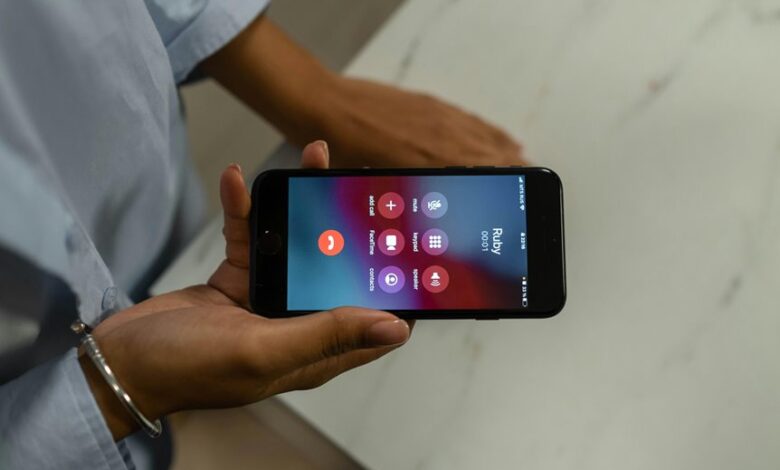
Free reverse-lookup tools offer quick insights into unknown callers without exposing personal data. They balance privacy with useful results, relying on reputable databases and opt-in signals. Accuracy depends on data freshness and source coverage, so cross-checks are prudent. Built-in caller-ID and spam alerts provide immediate context, while free online options expand coverage. The question remains: how reliable are these results for making safe, informed decisions in real time?
What Free Reverse-Lookup Is Actually Good For
Free reverse-lookup services are primarily useful for identifying unsolicited calls and verifying contact information before returning a call. They enable a quick check of Call history patterns and Caller ID consistency, supporting decision-making without sharing personal data.
Users obtain concise risk signals, verify legitimacy, and reduce nuisance dialing, all while maintaining privacy safeguards and straightforward, data-driven assessments.
How to Use Built-In Phone Features for Quick Checks
Modern smartphones offer built-in tools that enable quick checks on caller information without third-party apps. The approach emphasizes caller ID basics, showing incoming numbers and contact suggestions while preserving system integrity. Users weigh privacy tradeoffs, noting device-level controls, limited data sharing, and opt-in signals. The method favors immediacy over exhaustive verification, aligning with freedom-to-know principles and streamlined, on-device privacy awareness.
Free Tools That Balance Availability and Privacy
One compelling question is how users can access useful caller-info tools without compromising privacy or paywalls. Free tools that balance availability and privacy present a measured approach: leveraging reputable databases, transparent data-mining practices, and opt-in locales. Outcomes hinge on privacy tradeoffs and limits.
Researchers emphasize free reverse lookup capabilities paired with clear consent, while users weigh accuracy, recency, and protection from data misuse.
Spotting Scams and Protecting Your Privacy Online
As users explore caller-info tools that balance availability and privacy, the emphasis shifts to recognizing and thwarting scams while safeguarding personal data.
This view emphasizes concrete measures: privacy safeguards, robust spam awareness, and careful use of free reverse lookup services.
Caller identification should be cross-verified, with red flags documented; informed skepticism reduces risk, preserves autonomy, and supports safer online interactions.
Conclusion
Free reverse-lookup tools offer quick checks without exposing sensitive data, aligning practicality with privacy. They summarize caller details, risk indicators, and legitimacy cues from reputable databases, though results depend on data recency. Used wisely, these tools help spot scams, verify numbers, and make safer decisions. Built-in phone features complement online options, providing layered protection. They function like a shield, vigilant yet unobtrusive, guiding users to verify before responding while preserving personal information.