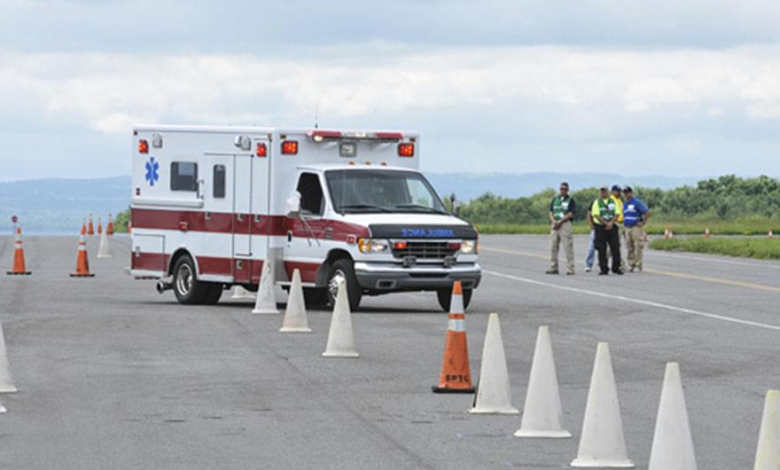
Emergency services play a vital role in keeping communities safe and ensuring timely medical care during critical situations. Among these services, ambulance drivers are essential as they ensure patients reach medical facilities safely and quickly. However, becoming a proficient ambulance driver requires more than just a regular driver’s license. Comprehensive ambulance driver training can make a significant difference, not only in performance but also in career growth within the emergency services field.
Understanding Ambulance Driver Training
Ambulance driver training is designed to equip individuals with the skills necessary to operate emergency vehicles safely and efficiently. This training goes beyond standard driving lessons, emphasizing safe navigation under pressure, understanding road regulations specific to emergency situations, and learning how to handle diverse scenarios, from heavy traffic to adverse weather conditions. For anyone looking to enter emergency services, this training is a crucial stepping stone that enhances both confidence and competence on the road.
Developing Advanced Driving Skills
A key benefit of ambulance driver training is the development of advanced driving skills. Trainees learn techniques to maneuver ambulances smoothly, maintain control at high speeds, and anticipate potential hazards. These skills are essential for reducing risks during patient transport and improving response times during emergencies. Mastering these driving techniques not only improves safety for patients and team members but also demonstrates professionalism, which can lead to greater trust and responsibility within the emergency services workforce.
Enhancing Knowledge of Emergency Protocols
Ambulance driver training also provides in-depth knowledge of emergency protocols. Drivers learn how to coordinate with dispatch teams, respond appropriately to different medical emergencies, and follow standard operating procedures in alignment with healthcare guidelines. Understanding these protocols ensures that drivers are prepared to make quick, informed decisions, which can save lives. This specialized knowledge sets trained ambulance drivers apart from general drivers, making them indispensable in emergency situations.
Building Physical and Mental Preparedness
Operating an ambulance in high-stress situations requires more than driving ability. Ambulance driver training emphasizes the importance of physical and mental preparedness. Trainees are trained to maintain focus, manage stress, and remain calm under pressure. Additionally, they often learn basic patient care skills, allowing them to assist paramedics when needed. This holistic approach helps drivers perform effectively in demanding environments and prepares them for the unpredictable nature of emergency services work.
Increasing Career Opportunities
Investing in ambulance driver training can open doors to a variety of career opportunities in emergency services. Trained drivers may find positions in private ambulance services, hospitals, fire departments, or government emergency response teams. With additional experience and certifications, some may advance to supervisory or operational roles, coordinating emergency responses or training new personnel. By demonstrating commitment to professional development through training, individuals enhance their employability and position themselves for long-term career growth.
See also: TTI Net Worth: How Much Is the Technology Company Worth?
Strengthening Community Impact
Trained ambulance drivers contribute significantly to community safety and well-being. By ensuring patients are transported safely and efficiently, they provide a vital service that can make a direct difference in life-or-death situations. The skills gained through ambulance driver training enable drivers to perform their duties with confidence and competence, ultimately strengthening the overall effectiveness of emergency services and reinforcing public trust in these essential professionals.
Conclusion
Ambulance driver training is more than just a requirement for operating emergency vehicles; it is a pathway to professional growth and increased effectiveness within the emergency services field. By developing advanced driving skills, understanding emergency protocols, building mental and physical resilience, and expanding career opportunities, trained ambulance drivers play a pivotal role in saving lives and enhancing community safety. For anyone aspiring to a rewarding career in emergency services, investing in ambulance driver training is a step that can make a lasting impact both personally and professionally.